
What is heart failure, really?
What is heart failure, really?
What Heart Failure Really Means — And What It Doesn’t
So you’ve been diagnosed with heart failure. What now?
For many people, that word alone is enough to stop everything in its tracks. There may have been a moment of shock. Or fear. Or simply a strange quiet or hollow feeling while the information sank in — followed by a flood of questions the minute you left the doctor's office.
If that sounds familiar, you are not alone.
Heart failure is common. There are an estimated 64 milion people worldwide with this condition. It is very treatable. And while it is a serious diagnosis, it is not a hopeless one.
There is always a way forward.
Understanding what is happening inside your heart — and what you can actively do about it — changes the experience entirely. Clarity replaces confusion. Structure replaces fear. Community supports your goals.
So let’s begin with what heart failure actually means — and just as importantly, what it does not.
First: What Heart Failure Is Not
Heart failure does not mean your heart is about to stop.
It does not mean you are in immediate danger of collapse.
And it is not the same as a cardiac arrest or a heart attack.
The word “failure” is unfortunately dramatic. In medicine, it simply means the heart is not pumping as effectively as it should.
Everyone who has heart failure still has a heart that is working — just not working efficiently enough to meet all the body’s needs.
That distinction matters.
What Is Actually Happening?
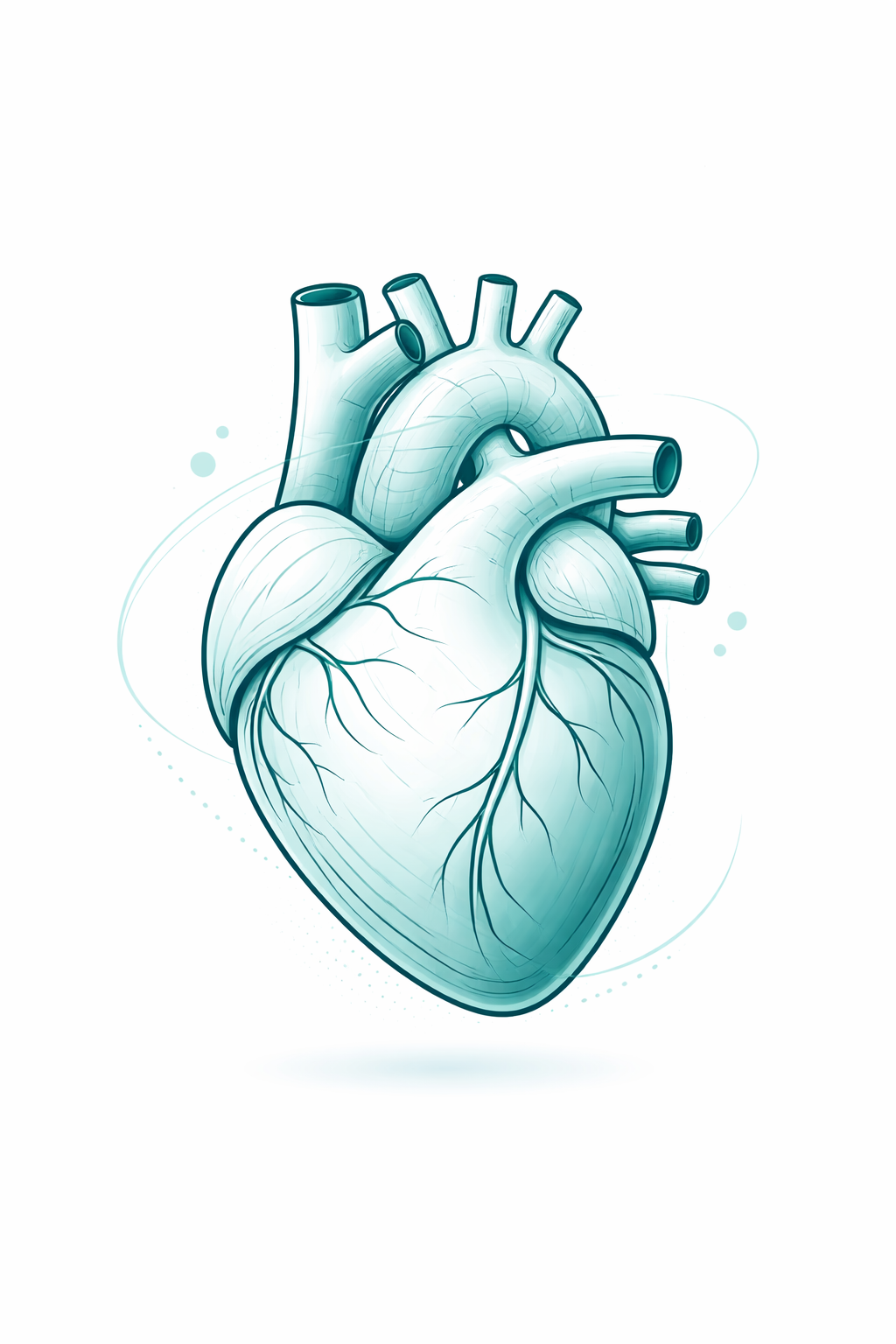
Your heart is a muscular pump. Its job is to move blood continuously around your body, delivering oxygen and nutrients where they are needed.
Heart failure occurs when the heart cannot keep up with that demand.
There are two main ways this happens:
The heart muscle becomes weaker and cannot contract forcefully enough.
The heart muscle becomes stiff and cannot relax properly between beats.
Both patterns can lead to fluid and pressure building up in the lungs or body — which is why symptoms such as breathlessness, swelling, or fatigue occur.
But the underlying mechanisms are different. And understanding which type you have shapes treatment decisions.
This is where precision matters.
Why the Diagnosis Feels So Weighty.
When someone hears “heart failure,” they often imagine the worst-case scenario.
In clinic, I am frequently asked:
“Is this the end?” "Is there a cure?"
“Will my heart suddenly stop?”
“Can this improve?” "Will I need drugs forever?"
“Can I still exercise?” "Can I travel?"
“What does this mean for my future?”
These are reasonable questions.
Heart failure is a chronic condition. Chronic does not mean catastrophic. It means ongoing management is required.
And survival has improved enormously over the past decades.
Many people live very full lives with well-treated heart failure.
The label is not the whole story. The detail and the management matters.
What Actually Determines Outlook?
Several factors shape the course of heart failure:
• The underlying cause
• The type of heart failure
• The strength and structure of the heart
• Other medical conditions
• How well treatment is tolerated
• Lifestyle and self-management
This is why two people with the same diagnosis can have very different journeys.
Heart failure is not one single path. It is a spectrum.
And within that spectrum, there is often much more room for improvement than people initially realise.
Where Hope Comes From
Hope does not come from pretending the diagnosis is minor.
Hope comes from understanding what can be done.
Modern treatment includes:
• Medications that improve heart function and survival
• Careful fluid management
• Device therapies in selected cases
• Exercise programs tailored safely
• Ongoing monitoring
Small, consistent actions make a meaningful difference.
When you understand what is happening — and why each treatment is recommended — you move from feeling passive to being actively involved in your care.
That shift alone reduces fear.
What You Can Do Right Now
If you have recently been diagnosed, start here:
Learn the type and cause of your heart failure.
Understand what each medication is for.
Monitor your symptoms, fluid intake and weight as advised.
Ask questions — especially if something is unclear.
Focus on small, steady changes rather than dramatic overhauls.
Heart failure management is not about perfection.
It is about consistency.
The Bigger Picture
A diagnosis of heart failure is significant. It deserves attention and respect.
But it is not a verdict.
It is a starting point.
With structured treatment, informed decisions and ongoing review, many people stabilise — and some improve substantially. Some causes are quite reversible. Many are very treatable.
Understanding your condition is the first step toward regaining a sense of control.
You are not alone in this.
And there is a way forward.
In the coming articles, we will explore:
• The different types of heart failure
• How the medications actually work
• When breathlessness is cardiac — and when it isn’t
• The role of exercise
• How to recognise fluid retention early
• How to advocate for yourself confidently in appointments
Because clarity is not a single explanation.
It is an ongoing process.
fI you’ve recently been diagnosed, you may also want to understand the different types of heart failure, which we’ll explore in the next article.