How Did I Get Heart Failure?
How Did I Get Heart Failure?
One of the most common questions people ask after being diagnosed with heart failure is a very natural one:
“Why did this happen to me?”
It’s an important question. And the answer is often more complicated than people expect.
Heart failure is not usually a disease that appears out of nowhere. Most of the time, it develops because something else has affected the heart over time.
Understanding that underlying cause helps doctors choose the most effective treatment and, in some cases, prevent further damage.
So let’s talk through some of the more common reasons heart failure develops.
Coronary Artery Disease
One of the most common causes of heart failure is coronary artery disease.
This occurs when the arteries that supply blood to the heart muscle become narrowed or blocked. If the heart muscle does not receive enough blood flow / oxygen over time — or if a heart attack occurs — parts of the muscle may weaken, thin and fail to work properly.
That weakening can lead to heart failure because the muscle is missing the ability to generate enough force to squeeze the blood efficiently into the next chamber and out to the body and all its organs.
Long-Standing High Blood Pressure
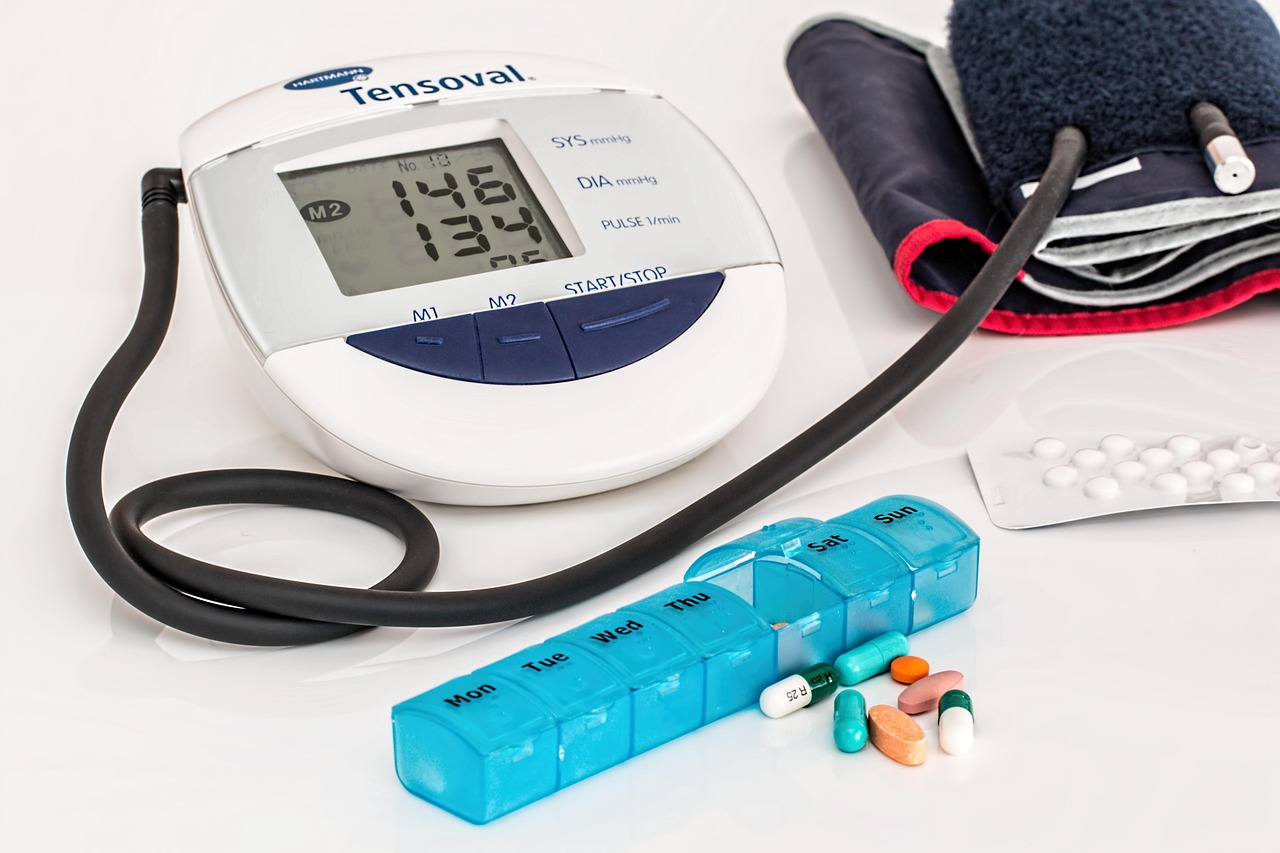
High blood pressure forces the heart to work harder with every beat. That higher pressure creates resistance and is what the heart has to work against.
Over time, the heart muscle thickens and becomes stiffer. Eventually it may struggle to relax properly between beats, and this means that there is less capacity for the heart chamber to fill adequately, which can lead to symptoms of heart failure.
Because high blood pressure often causes no symptoms for many years, people are sometimes surprised to learn that it has been affecting the heart silently.
Heart Valve Disease
Heart valves act like doors or gates that control the direction of blood flow through the heart. Their role is to keep the blood flowing forwards and not let it gush back. Valve stenosis (narrowing) indicates gradual blocking of the valve opening, restricting flow through to the next chamber, whereas, valve regurgitation indicates incomplete closure of the gateway, thus allowing the blood to partially gush backwards.
If a valve becomes narrowed or leaky, the heart has to work much harder to maintain circulation. Over time, that extra workload can strain the heart muscle and contribute to heart failure.
Rhythm disorders
The heart has an electrical system, much the same way that a house runs off its electrical circuits. In the heart, there is a natural pacemaker that sets the rate and rhythm of our body. It's clever. It can increase and decrease in response to our activity levels.
Sometimes, however, there are situations where the natural pacemaker in the heart is over-ridden by a faster electrical impulse from somewhere else in the heart. It makes the electrical activity rapid and this can be smooth or jerky. When it's too fast, it's like running the engine of a car in over drive. For a while, the engine can cope, but let it go too long, and it starts to fail. It loses efficiency. Eventually it chokes. Intervening before this happens is important.
A common example of this type of rhythm disturbance or "arrhythmia" is Atrial Fibrillation (aka AF / AFib).
Heart Muscle Diseases
Sometimes the problem begins within the heart muscle itself.
Conditions known as cardiomyopathies can weaken or stiffen the heart muscle. These may be caused by genetic diseases or inherited factors, viral infections, toxins such as alcohol, thyroid dysfunction or sometimes unknown reasons. There are also what are known as deposition diseases... those where proteins deposit into the tissue of the heart muscle and cause problems with the function, or scarring / fibrosis of the heart. In fact, in a large number of these, we don't yet know or understand the cause. Please note that cardiomyopathy - cardio = heart, myo = muscle , pathy = disease, is a general term encompassing the end condition of many causes of heart failure.
Other Contributing Factors
In many people, heart failure develops from a combination of factors rather than a single cause.
Conditions that can contribute include:
• Diabetes
• Obesity
• Sleep apnoea
• Chronic kidney disease
• Certain cancer chemotherapy or immunotherapy treatments
Identifying and managing these contributing conditions is an important part of treatment.
If you'd like to watch a short video explaining some of these factors, and how they add up to cause heart failure, then please watch this video.
Why Finding the Cause Matters
Understanding the cause of heart failure helps guide treatment in two important ways.
First, it allows doctors to treat the underlying problem whenever possible. There are many factors that are reversible over time.
Second, it helps prevent further damage to the heart over time.
The diagnosis of heart failure is not just about managing symptoms — it is about understanding the bigger picture.
And once that picture becomes clearer, the path forward becomes easier to navigate.
In the next article, we’ll look at another question patients commonly ask:
How do we investigate heart failure?
photo on behalf of Mild Fakurian via Unsplash