How Do Doctors Investigate Heart Failure?
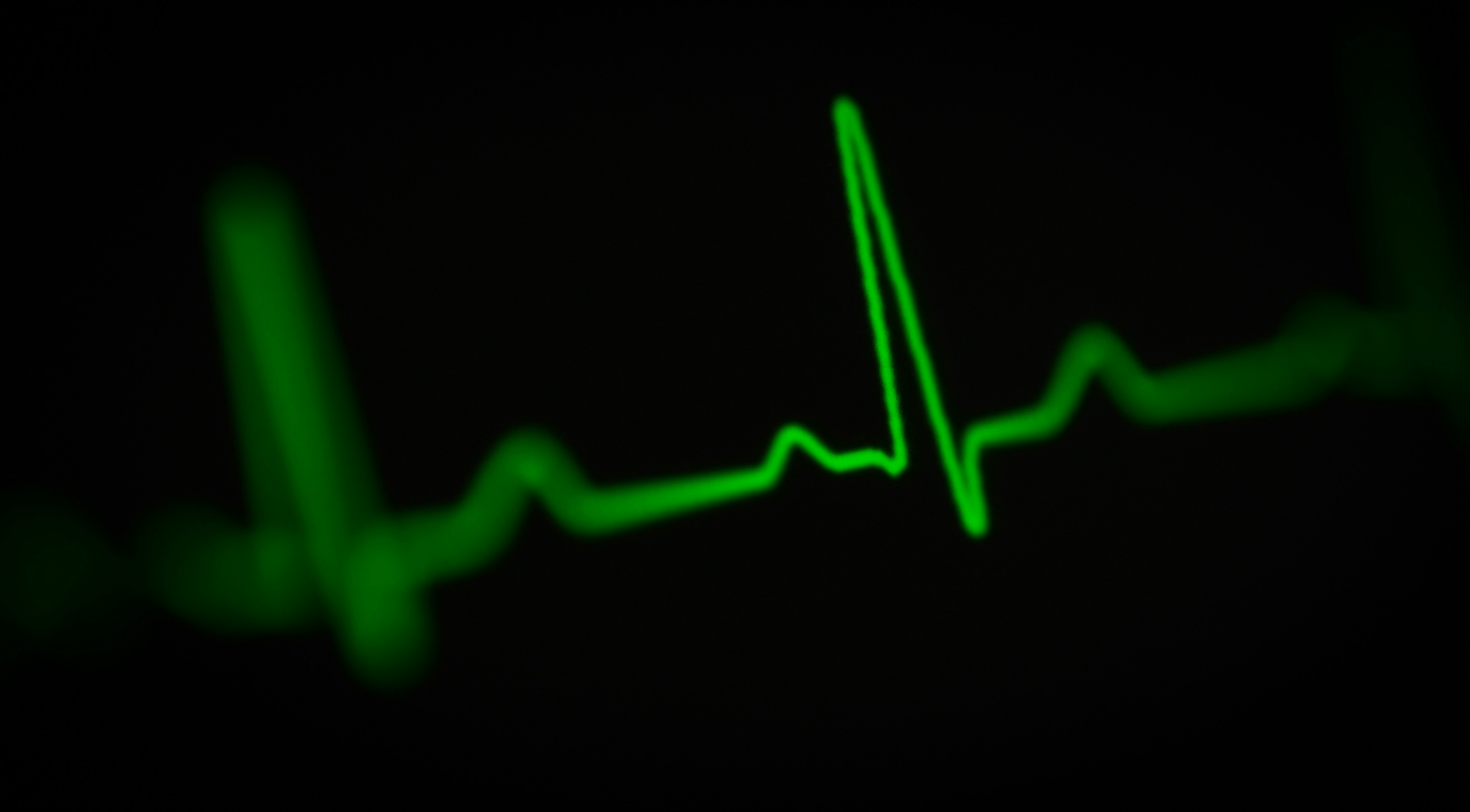
Photo by Joshua Chehov on Unsplash
How Doctors Investigate Heart Failure
After someone is diagnosed with heart failure, the next stage often involves several tests.
For many patients, this can feel a little overwhelming.
One moment you are trying to process the diagnosis, and the next you are being booked for blood tests, heart scans, perhaps even angiograms or other imaging studies.
It’s very natural to wonder:
Why are all these tests necessary?
The short answer is that heart failure is not a single disease. It is a syndrome (a constellation of clinical symptoms and signs that lead to a state we call heart failure), which means it can develop for a number of different reasons. The goal of testing is to answer three key questions:
• How well is the heart functioning?
• What caused the problem in the first place?
• What treatments are most likely to help?
Each investigation contributes a piece of that puzzle.
Blood Tests
Blood tests are usually one of the first investigations performed.
They help doctors look for several things.
Some blood tests measure substances that rise when the heart is under strain. One example is BNP (Brain Natriuretic Peptide) or NT-proBNP, which can be helpful in confirming whether symptoms such as breathlessness might be related to heart failure. This has become quite an important blood test in diagnosing heart failure or sometimes excluding heart failure. It's a funny one, in that it sounds like it should help with brain problems. It was called the Brain natriuretic peptide because it was first isolated from pig brain tissue, but it is secreted from the heart and blood vessels primarily. A high level indicates heart failure however lower levels can be caused by other conditions. The main stimulus is stretch of the heart chamber.
Other blood tests help assess:
• kidney function
• liver function
• thyroid function
• iron levels
• electrolyte balance
These may not seem directly related to the heart, but they can strongly influence how the heart functions and how medications should be prescribed.
In many ways, blood tests give doctors a broader view of how the whole body is coping.
The Echocardiogram
One of the most important tests in heart failure is the echocardiogram, often simply called an “echo”.
This is an ultrasound scan of the heart. It uses sound waves to create moving images that show how the heart is working in real time. It's kind of like a large portable washing machine and you can hear the swishing sounds that it makes when
An echocardiogram can tell us:
• how strongly the heart muscle is pumping
• whether the heart chambers are enlarged
• whether the heart muscle has become thickened or stiff
• how well the heart valves are functioning
This test is usually painless and takes around 30 to 45 minutes.
For many patients, the echocardiogram provides the clearest picture of what is happening inside the heart.
Electrocardiogram (ECG)
An electrocardiogram, or ECG, (not to be confused with the echo or echocardiogram), records the electrical activity of the heart.
Small sensors placed on the chest measure the electrical signals that control each heartbeat.
This test can reveal:
• abnormal heart rhythms (especially atrial fibrillation or atrial flutter)
• signs of previous heart attacks
• conduction problems in the heart's electrical system
While it does not show the heart’s structure, it gives valuable information about how the heart’s rhythm and electrical system are behaving. Sometimes it gives clues to things like previous heart damage or even heart muscle thickening. This can be very helpful in determining what might have caused the heart problems.
Coronary Artery Imaging
Because coronary artery disease is a common cause of heart failure, doctors often investigate whether the arteries supplying the heart muscle have become narrowed or blocked.
This may involve:
• a CT coronary angiogram, which uses specialised imaging to look at the coronary arteries
• or a cardiac catheterisation, where a small tube is inserted into an artery to examine the heart’s blood supply directly
These tests help determine whether reduced blood flow to the heart muscle may have contributed to the problem.
If significant blockages are found, treating them may improve heart function.
Cardiac MRI
In some cases, doctors may recommend a cardiac MRI scan.
This type of scan provides very detailed images of the heart muscle and can help identify specific conditions affecting the heart muscle itself.
For example, it can reveal:
• inflammation of the heart muscle
• scarring from previous injury
• certain inherited heart muscle diseases or even deposits in the tissue
Cardiac MRI is not required for everyone, but when it is used it can provide extremely valuable information.
Why All of This Matters
The purpose of these investigations is not simply to confirm the diagnosis.
It is to understand why heart failure has developed and how best to treat it.
Once doctors understand the underlying cause, they can tailor treatment much more precisely.
This might involve medications, procedures, devices, or lifestyle changes that specifically target the problem affecting your heart.
A Cardiac Biopsy
This is a test performed in a cath lab in hospital. It is where a specialist passes a small tube via an arm or a neck vein in to the heart and takes a match stick head sized piece of the heart tissue to determine what might be causing the heart failure. This is useful where a virus might have infected the heart muscle and caused inflammation (myocarditis) or where proteins have been deposited in the heart muscle (such as amyloid).
The Bigger Picture
If you are undergoing several tests after being diagnosed with heart failure, it does not necessarily mean things are getting worse.
More often, it means your medical team is trying to build the clearest possible understanding of your heart.
And the clearer that picture becomes, the better the treatment decisions can be.
Investigation is not just about finding problems.
It is about finding the best path forward. In the next article, we examine how we treat heart failure and what the medications do for you.