

Two Different Types Of Heart Failure
Two Different Types of Heart Failure — Why It Matters
When people hear the words heart failure, it often sounds like a single diagnosis — as though everyone with heart failure has the same problem. Then you search on line and try and read about it, but you're looking for a unifying concept like the condition is just one thing.
In reality, heart failure comes in different forms. Understanding which type you have helps explain your symptoms, your treatment plan, and what doctors are trying to achieve with your medications.
So let’s break it down.
The Heart Has Two Essential Jobs
At its simplest, the heart has two main roles.
First, it has to pump blood forward to supply the body with oxygen and nutrients.
Second, it has to relax and refill between beats, so that it has enough blood ready to pump out again.
That cycle happens continuously — thousands of times every day.
Heart failure develops when one part of that process stops working as efficiently as it should.
Sometimes the heart cannot squeeze strongly enough.
Other times it cannot relax properly.
And sometimes, it has problems with both functions.
The two main types of heart failure are heart failure with reduced ejection fraction (HFrEF) and heart failure with preserved ejection fraction (HFpEF). That’s why doctors often talk about different types of heart failure. Let's get a better understanding of these and why the difference alters the way we treat them.
Heart Failure With Reduced Ejection Fraction (HFrEF)
HFrEF sounds very technical and you will hear cardiologists talk about this kind fo heart failure a lot. Whilst the term may mean nothing to you, you can simply substitute it as the type of heart failure that occurs when the heart muscle has become weaker than normal.
HFrEF = WEAK heart muscle.
Because the muscle is weaker, the heart cannot pump blood forward with the same strength. Doctors often measure this using a number called the ejection fraction, which describes how much blood leaves the heart with each beat. You can think of this like a motor's stroke volume. How much blood volume is moved out of the chamber each time the heart muscle squeezes?
When that number (%) is reduced, we call it heart failure with reduced ejection fraction. You might hear about a reading on echocardiogram (ultrasound) called an ejection fraction or EF. For reference, a normal EF is between 55 and 65%. {NB. It is NOT 100% People often are immediately feel worried when they see that their ejection fraction is well below 100%. There's a very good physiological reason that it can't be 100% but you don't have to worry about the technicalities, just the practicalities!}
What is encouraging about this type of heart failure is that many of the medications used today were specifically developed to treat this type of heart failure, and they can significantly improve both quality of life and survival.
Heart Failure With Preserved Ejection Fraction (HFpEF)
There is another mechanism of heart failure that works quite differently. In this form of heart failure, the heart muscle may still squeeze quite well and remains strong — but it has become stiffer than normal. So the EF (ejection fraction) remains close to the "normal" 55-65% however there remains a problem in pumping efficiency.
In this case the heart cannot relax properly, so it does not fill with blood as easily between beats. Pressure builds up inside the heart, which can lead to breathlessness and fluid retention.
This type of heart failure is often seen in people who have had long-standing high blood pressure, diabetes, obesity, sleep apnoea or other conditions that gradually change the structure of the heart over time.
Treatment is slightly different, because although the heart may look more like it is still strong on the echocardiogram, the heart is still struggling to handle the circulation efficiently.
The underlying problem is stiffness rather than weakness.
Why the Difference Matters
You might reasonably wonder why doctors bother separating heart failure into these different categories.
The reason is that treatment decisions depend on it.
Some medications work particularly well for when the heart muscle is weak. Others are more helpful when the heart muscle is stiff. Some treatments aim to reduce pressure in the circulation, while others help protect the heart muscle itself over time.
Understanding the type of heart failure allows doctors to build a treatment plan that targets the specific problem affecting your heart.
It’s part of moving away from “one-size-fits-all” medicine toward something more precise.
What This Means For You
If you have recently been diagnosed with heart failure, one of the most useful things you can ask your doctor is:
“What type of heart failure do I have?”
You may also hear terms like:
• reduced ejection fraction
• preserved ejection fraction
• mild, moderate, or severe impairment
These descriptions help guide treatment decisions and help doctors monitor how well your heart is responding over time.
And importantly, they remind us that heart failure is not one single story.
Different causes, different mechanisms, and different responses to treatment all shape how the condition behaves.
The Important Takeaway -
Although the label heart failure sounds alarming, it actually describes a range of conditions, each with its own causes and treatments.
The most helpful step after diagnosis is to understand the specific pattern affecting your heart.
Clarity makes the next steps far easier.
In the next article, we’ll look at one of the most common questions people ask after diagnosis:
Why did this happen in the first place?
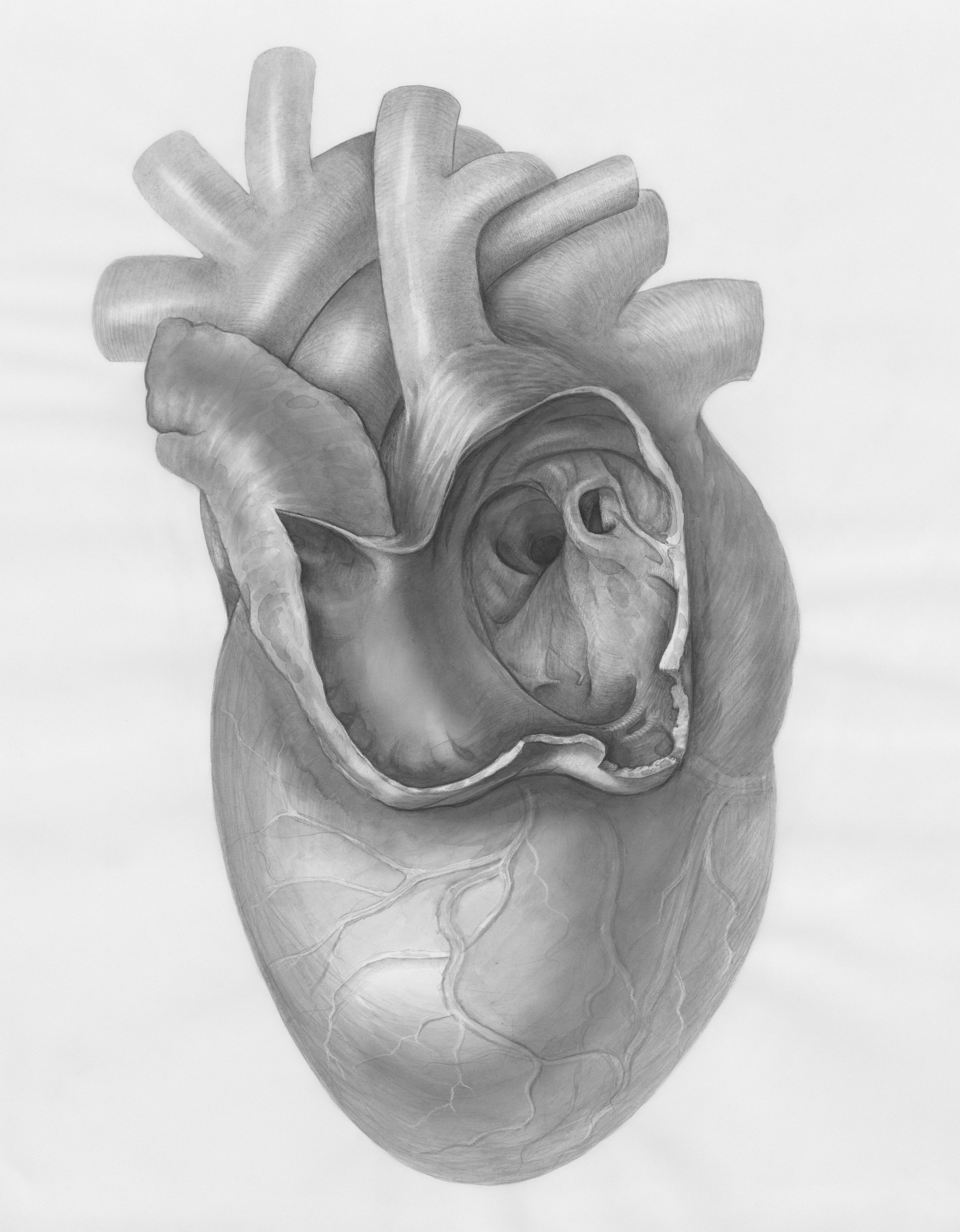
photo by Europeana via Unsplash